



TL;DR - In production AI agents, OpenAI Agents SDK uses declarative guardrails for validation, while the Claude Agent SDK employs imperative lifecycle hooks for dynamic execution control. Both require separation of workflow state from conversation history and idempotent tool design to prevent side effects during automated retries.
How do you choose between OpenAI and Claude for agent reliability?
Building autonomous agents that survive real-world conditions requires moving beyond simple error catching. You need to treat recovery loops as a core part of your system design. OpenAI and Anthropic offer two distinct approaches to this challenge. OpenAI’s architecture relies on declarative guardrails that act as validation layers, while Claude’s model uses an imperative execution engine. If you are starting a new project, you can compare when to use OpenAI vs Anthropic SDKs to see which fits your team's workflow best.
How do OpenAI guardrails stop bad tool calls?
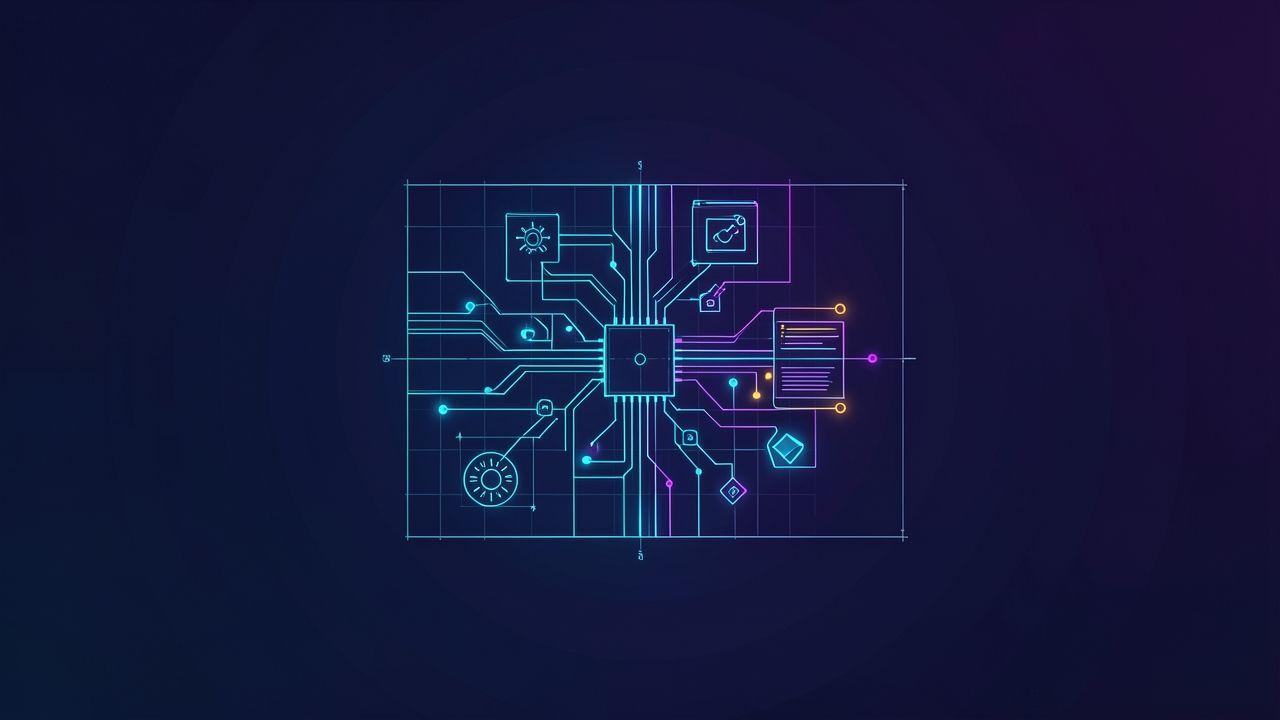
OpenAI’s approach centers on defining input, output, and tool guardrails that act as validation boundaries. These guardrails inspect payloads at precise moments, allowing you to trip circuit breakers if things go wrong. When a tool call is about to run, the SDK checks your guardrail function output. If the validation fails, the agent stops before executing the code.
# Basic OpenAI tool guardrail example
@guardrail.tool_call
def validate_tool_args(tool_name, args):
    if "unsafe_param" in args:
        return GuardrailFunctionOutput(action="halt", reason="Unsafe argument")
    return GuardrailFunctionOutput(action="permit")
Configuring these to run in parallel minimizes latency. It is also important to note that the OpenAI SDK manages some HTTP-level retries automatically, but application-level turn retries require custom logic to check session state before repeating work.
Why are lifecycle hooks better for Claude agents?
Anthropic’s imperative model provides granular control through lifecycle hooks like PreToolUse and PostToolUse. You bind callback functions using HookMatcher instances to events. If a tool execution fails, your hook can intercept the error, log the context, or safely halt execution. This pattern is particularly powerful for file operations and shell commands where you need to verify permissions before and after an action. You can secure local MCP servers by using these hooks to validate tool access at runtime.
How do you make a retry loop idempotent?
Autonomous agents encounter transient issues like rate limits and timeouts frequently. Effective retry mechanisms demand more than simple exponential backoff. You must ensure your tool operations are idempotent, meaning the same request can be sent multiple times without changing the outcome. If an agent triggers an external action, assume the request may be retried. Use stable operation IDs so a retry doesn't accidentally trigger a second side effect. Learn how MCP context bloat breaks agent tooling to avoid common pitfalls in your retry logic.
What is the best way to handle agent state during errors?
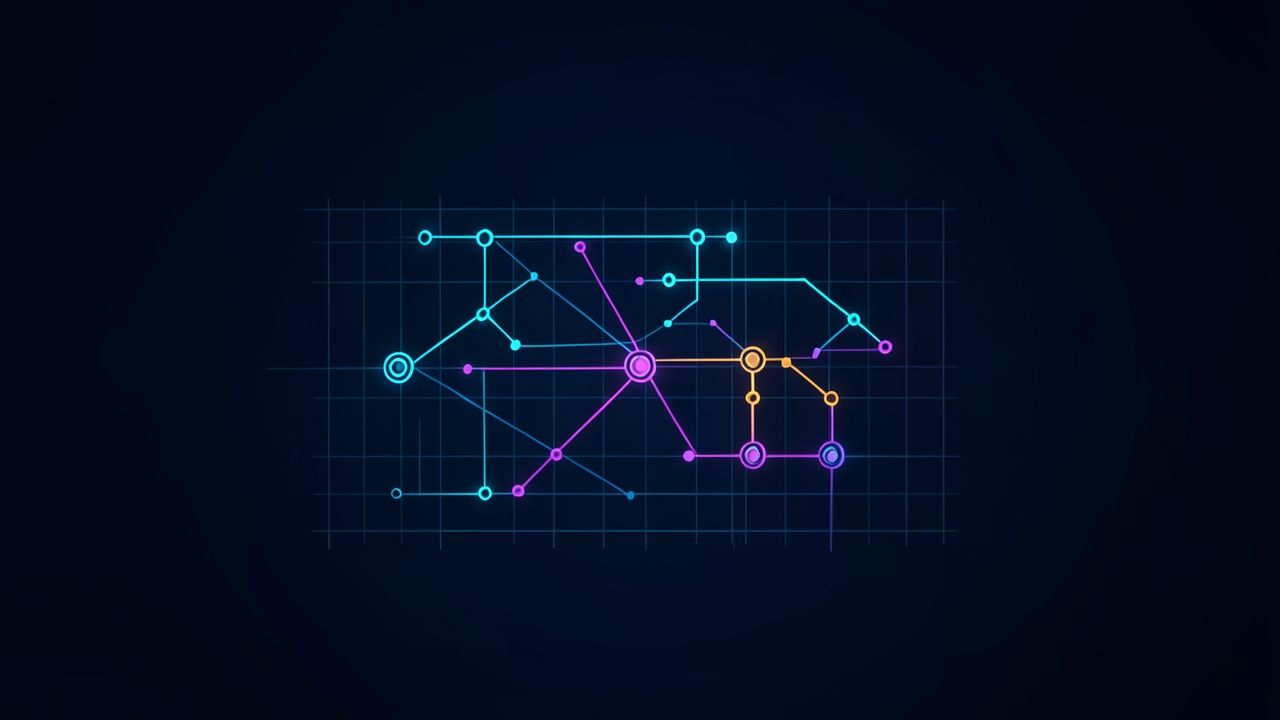
Separating your workflow state from conversation history is vital. A transcript tells you what was said, but it shouldn't be the only record of where a long-running process stands. Use explicit state machines, persistent sessions, and checkpoints for workflows spanning hours or days. When an error occurs, your state machine should know exactly which step failed and whether it is safe to resume or if it must start from a clean state.
How does sandboxing protect your infrastructure?
Isolation is critical for safe error recovery when agents execute code. OpenAI provides hosted sandbox environments that allow agents to test code changes safely without impacting your host machine. The Claude Agent SDK relies on local environment execution, which requires developers to provision containerization separately to ensure rogue loops remain contained. Always use containerized environments to prevent a failed agent from deleting files or consuming all system resources.
Bottom Line
Building resilient autonomous agents requires moving beyond simple try-catch blocks. By pairing OpenAI’s declarative guardrails or Claude’s imperative lifecycle hooks with idempotent tool design and explicit state machines, you create systems that recover gracefully from failures. Always separate your durable workflow state from the model’s working context. For more on building production systems, read our guide on building production AI agents.
Sources
Follow Owais Abdullah on Google Search & Discover
Add this domain as a preferred source to see new AI engineering, Next.js SaaS, and Digital FTE breakdowns prioritized in your Google Top Stories, AI Overviews, and Discover feed.
Architecture FAQs
Was this article helpful?
Your feedback helps improve our future articles and tutorials.
Discussion & Thoughts
Join the conversation with your perspective