


The Shift From Syntax Typing to Product Direction
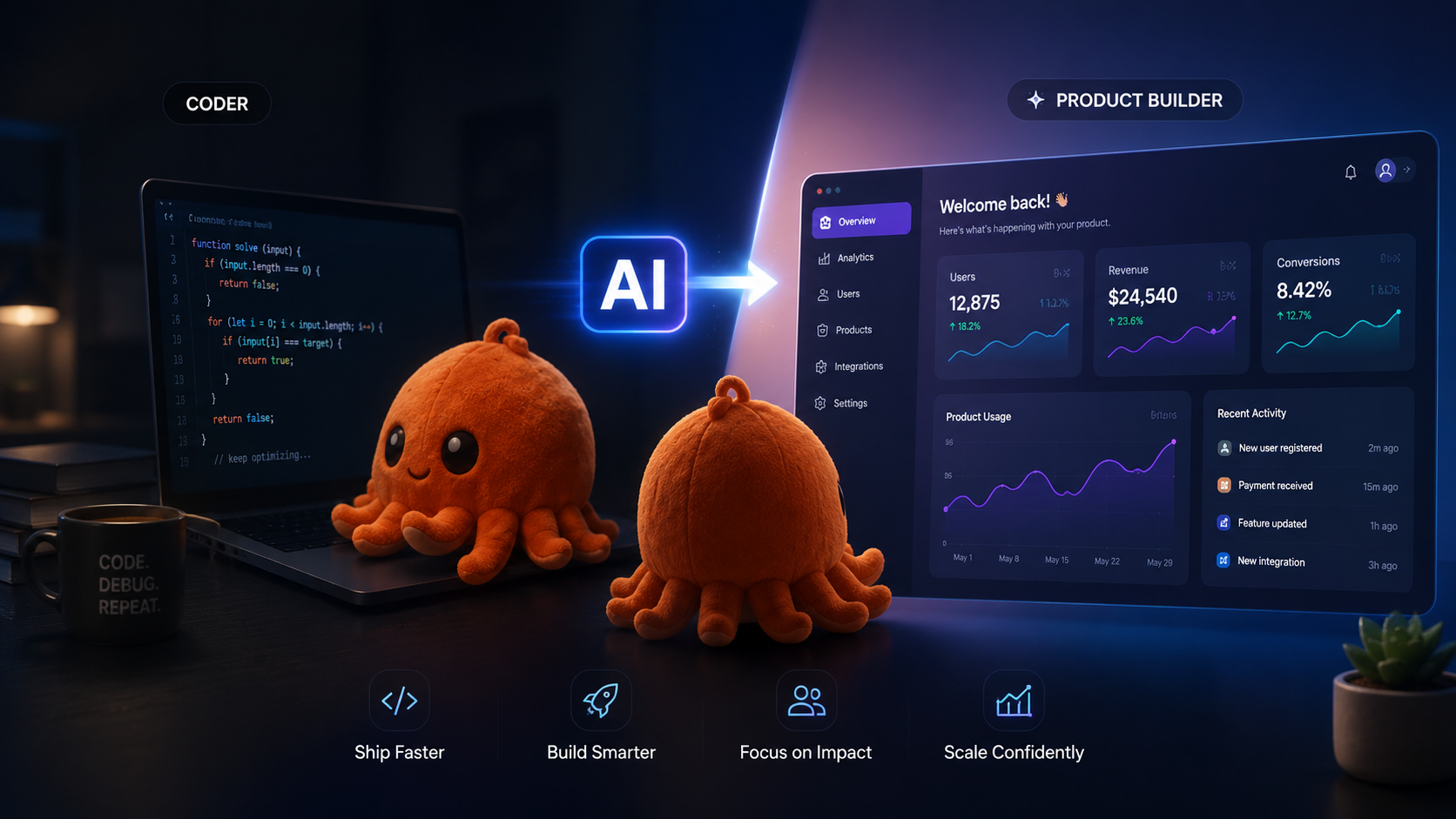
I used to spend hours manually typing out standard boilerplate code, focusing on syntax and local logic. That has changed. Now, I use AI-driven engineering tools to handle that foundational work. This shift means I spend less time on manual typing and more time on high-level system architecture and user needs. When I step back to evaluate how a system behaves, I am acting as a product builder rather than just a task executor. This is the core of AI-driven engineering. I am now bridging the gap between raw implementation and business strategy by focusing on the 'why' instead of just the 'how'.
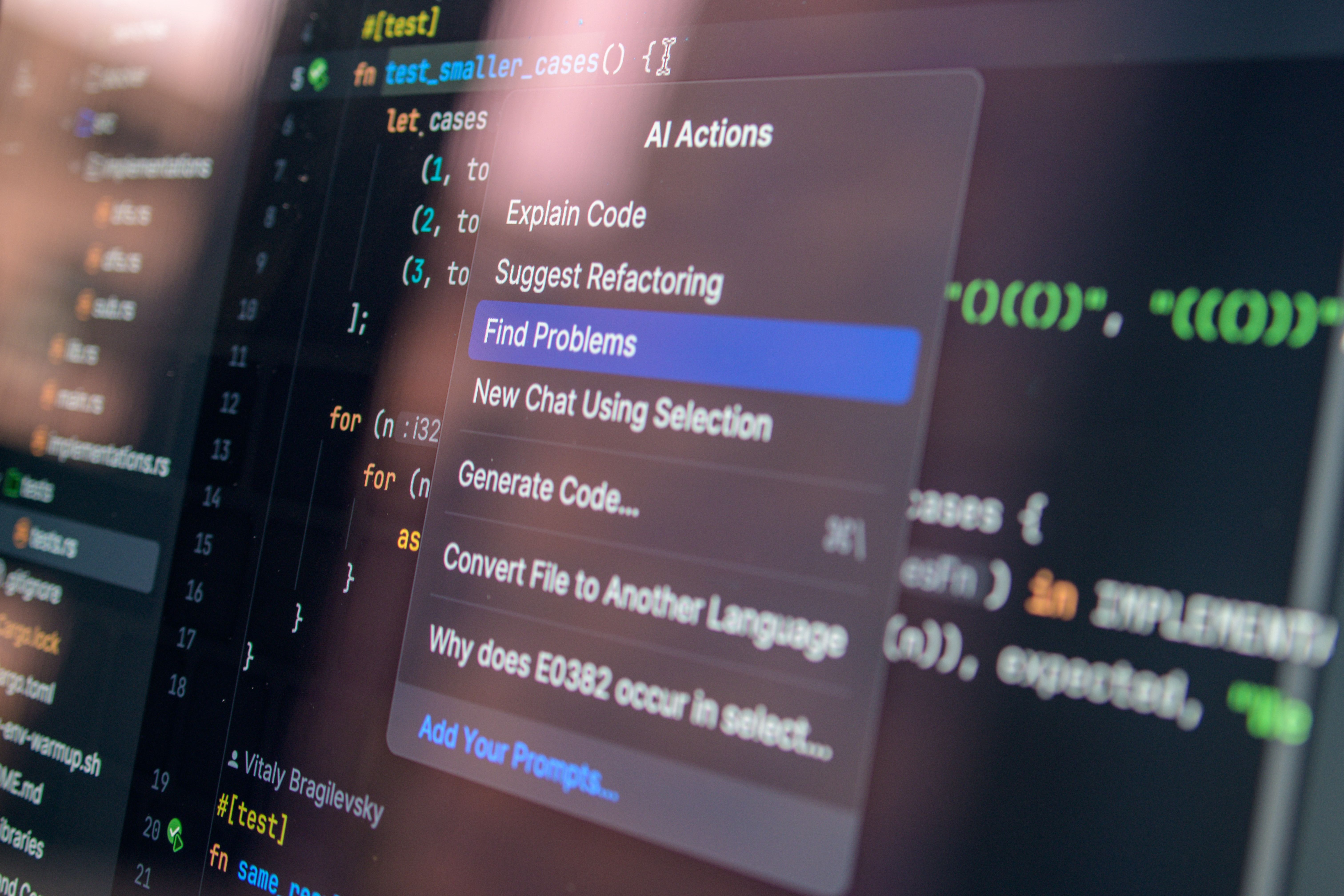
How do I balance writing code versus making product choices? I start by mapping out the user journey. Then, I let the AI agent draft the implementation. This approach allows me to focus on verifying the logic and ensuring it aligns with the business goals I have defined. I find that when I treat my technical output as a product decision, I see a direct impact on the value I deliver to my clients.
Mastering Context Engineering for Better Software
Good output from an AI agent requires clear, structured input. I treat my prompt setup like a precise architecture specification. If I provide vague requirements, I get vague results. By managing agent workflows and prompt context, I ensure that my software meets real user needs without drifting off course. I have learned that structuring my approach in this way helps me avoid costly rework and keeps my projects on track.
What strategies help me pass better context to my development tools? I use a structured template for every new task. This template includes the goal, the constraints, and the expected output format. By doing this, I ensure the AI understands the full context of what I am building. It is a simple step, but it drastically improves the quality of the code I receive. You can find more about this in industry research on how AI coding agents are changing development workflows.
Building Robust Evaluation and Testing Frameworks
Autonomous workflows and AI-generated code introduce unique failure modes that traditional unit tests might miss. I have seen cases where the code looks perfect but fails in production because of a hallucination or a logic error. To combat this, I establish reliable evaluation metrics, such as response quality scoring and automated test suites. These help me catch logic errors and regressions before features reach production. For practical insights on structuring your approach, explore Allstacks' guide on AI software decisions.

How do I validate the reliability of automated outputs? I run a series of automated checks on every piece of code generated by an agent. If the code fails a check, I do not deploy it. Instead, I refine the prompt and try again. This process-driven approach ensures that my deployed features remain secure and reliable. I focus on metrics like execution speed, memory usage, and logic accuracy to ensure the quality of my tech stack.
Scaling Your Impact With Automated Workflows
Juggling multiple AI models, vector databases, and monitoring systems manually can quickly lead to burnout. I have found that connecting my tools with automated pipelines ensures smooth data flows and lets me focus on high-ROI problem-solving. By automating the repetitive parts of my development cycle, I free up my time to focus on complex architectural decisions. For inspiration on automating your development cycle, check out discussions on developer workflows.
Where are the biggest bottlenecks in my current development pipeline? I have identified that manual testing and deployment were my biggest time-wasters. By implementing automated pipelines, I have cut my deployment time by 50 percent. This is just one example of how smart automation can benefit your daily workflow. I am constantly looking for new ways to automate repetitive tasks, which allows me to deliver more value to my clients in less time.
Follow Owais Abdullah on Google Search & Discover
Add this domain as a preferred source to see new AI engineering, Next.js SaaS, and Digital FTE breakdowns prioritized in your Google Top Stories, AI Overviews, and Discover feed.
Architecture FAQs
Was this article helpful?
Your feedback helps improve our future articles and tutorials.
Discussion & Thoughts
Join the conversation with your perspective